Dental cleanings are one of the most effective ways to protect your teeth and gums over time. Even with good brushing and flossing habits at home, plaque and tartar can still build up in hard-to-reach areas. Professional cleanings help remove this buildup before it leads to cavities or gum disease.
What happens during a dental cleaning?
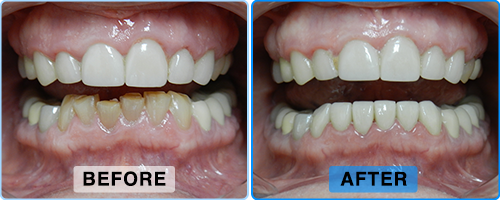
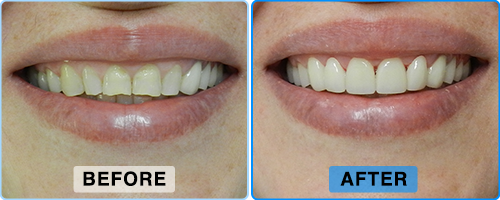
A dental cleaning focuses on removing plaque and tartar from the teeth and along the gumline. Your hygienist also polishes the teeth to remove surface stains and smooth the enamel, which makes it harder for bacteria to stick. In many cases, a cleaning is paired with a dental exam to check overall oral health.
Can brushing and flossing replace cleanings?
This is a common question. Brushing and flossing are essential, but they cannot fully replace professional cleanings. Tartar, once formed, cannot be removed with a toothbrush. Dental cleanings help reach areas that daily oral hygiene may miss.
How often should you get a dental cleaning?
Most patients benefit from a cleaning every six months. However, people with gum disease or higher risk for dental problems may need cleanings more often. A dentist can recommend the right schedule based on your oral health.
Do dental cleanings help prevent gum disease?
Yes. Regular cleanings are one of the best ways to prevent gingivitis and more advanced gum disease. By removing bacteria early, cleanings help keep gums healthy and reduce inflammation.
For patients in El Cajon, keeping up with routine dental cleanings is a simple but powerful step toward maintaining a healthy smile and avoiding more complex dental treatments in the future.